Living With a Psychopathic Partner, Parent or Employer: The Hidden Psychological and Physical Toll of Chronic Stress

Psychopathy is often discussed in terms of the person who holds the traits. Far less attention is given to the people who live with them, work for them, love them, or are raised by them. Yet in clinical practice, it is usually the impact on others that causes the deepest and longest lasting harm.
Many people who seek counselling, psychotherapy, clinical hypnotherapy or nutritional support are not psychopathic themselves. They are exhausted, anxious, inflamed, burnt out and physically unwell after prolonged exposure to manipulation, emotional coldness, gaslighting and chronic psychological stress.
This article reframes psychopathy through the lens that matters most clinically: what it does to you.
Psychopathy and chronic relational stress
Psychopathy refers to a pattern of traits such as lack of empathy, shallow emotion, manipulativeness, deceit and absence of remorse. When these traits exist within a close relationship, whether romantic, familial or professional, the result is often sustained psychological threat rather than occasional conflict.
Unlike overt abuse, the stress here is subtle, cumulative and confusing. Many clients describe living in a constant state of alertness, self doubt and emotional tension without being able to clearly name why.
Your nervous system, however, keeps score.
How living with a psychopathic individual affects the nervous system
Human nervous systems are designed to detect safety or danger in relationships. When someone consistently invalidates your reality, violates boundaries, lies convincingly or shows emotional indifference to your distress, your system shifts into long term survival mode.
This is not a mindset issue. It is physiology.
Over time, the stress response system becomes chronically activated. Cortisol and adrenaline remain elevated. Rest and repair processes are suppressed. The body adapts to threat by staying vigilant.
Many clients arrive saying, “I feel like I can never fully relax anymore,” or “My body feels permanently on edge.”
They are not imagining it.
Common psychological effects on partners, adult children and employees
People affected by psychopathic traits in others often present with:
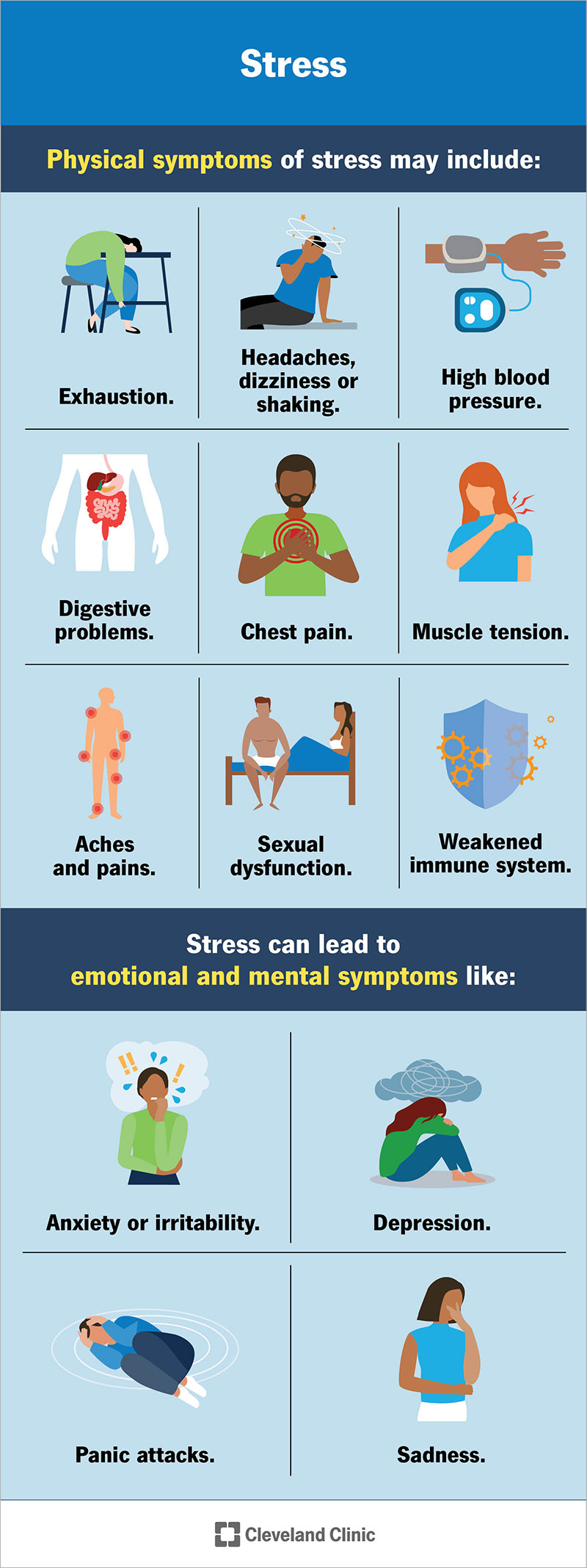
Persistent anxiety or hypervigilance
Chronic self doubt and loss of confidence
Difficulty trusting their own judgement
People pleasing and over responsibility
Emotional numbness or shutdown
Depression or emotional exhaustion
Intrusive rumination and mental replay
Symptoms resembling trauma responses
These patterns often develop gradually. Because the behaviour they are reacting to is subtle and intermittent, many blame themselves rather than recognising the relational dynamic.
The physical toll of long term psychological stress
One of the most overlooked aspects of living with a psychopathic individual is the impact on the physical body. Chronic stress does not stay in the mind. It moves through every system.
In clinical nutrition and psychotherapy work, common physical presentations include:
Digestive issues such as bloating, reflux, IBS type symptoms and appetite disruption
Persistent fatigue and unrefreshing sleep
Headaches, jaw tension and muscle pain
Hormonal disruption including thyroid imbalance, cycle changes or perimenopausal flare ups
Blood sugar instability and sugar cravings
Weight changes resistant to effort
Skin flares such as eczema, psoriasis or acne
Increased inflammatory markers and autoimmune symptom expression
This is not coincidence. Stress alters gut motility, immune signalling, hormone output and nutrient absorption. The gut brain axis, the two way communication system between the digestive tract and the nervous system, becomes dysregulated under sustained emotional threat.
Many clients are told their tests are “normal” while their lived experience feels anything but.
Why the stress is so corrosive
Stress caused by psychopathic dynamics is particularly damaging because it is unpredictable. Periods of charm or calm are interspersed with criticism, withdrawal, blame or control. This intermittent reinforcement keeps the nervous system trapped in anticipation.
Your body keeps preparing for the next emotional shift.
This pattern is especially common in:
Romantic relationships
Co parent or spouse dynamics
Family systems involving a psychopathic parent or sibling
Workplaces with manipulative leadership
The longer the exposure, the deeper the imprint on mental and physical health.
Why many people do not leave, and why that matters clinically
Clients are often hard on themselves for staying too long. In reality, these dynamics erode clarity and agency over time.
Gaslighting undermines trust in your perceptions.
Emotional withholding creates a drive to fix or prove yourself.
Fear responses impair executive functioning and decision making.
From a therapeutic perspective, this means symptoms are not signs of weakness. They are adaptive responses to prolonged relational stress.
Understanding this reframes recovery from “What is wrong with me?” to “What has my system been coping with?”
How therapy and nutrition support can help recovery
Recovery focuses less on changing the other person and more on restoring your nervous system, boundaries and sense of self.
In counselling and psychotherapy, the work often includes:
Rebuilding trust in your internal signals
Processing chronic relational stress responses
Reducing hypervigilance and emotional exhaustion
Strengthening boundaries without guilt
Restoring self esteem and clarity
Clinical hypnotherapy and RTT work can help address deeply held survival patterns that developed during prolonged exposure to threat, particularly where logic alone has not been enough to settle the body.
Registered nutritionist support is often crucial alongside psychological work. Stress increases nutrient demand while simultaneously reducing absorption. Supporting gut function, blood sugar regulation, inflammation and micronutrient status helps the nervous system regain capacity.
When the body feels safer, psychological healing accelerates.
You do not need a label to justify your experience
Many people never receive confirmation that the person who harmed them meets criteria for psychopathy or antisocial personality disorder. Clinically, that confirmation is not required.
If you have lived in a state of ongoing emotional stress, confusion, fear or erosion of self, your symptoms deserve care.
Your body and mind responded exactly as they were designed to.
Compassionate clinical support and care
Living with a psychopathic partner, parent or employer leaves marks that are often invisible to others but deeply felt within. Anxiety, exhaustion, digestive distress, hormonal disruption and emotional numbness are not random. They are the language of a system that has been under sustained pressure.
With the right blend of psychotherapy, clinical hypnotherapy and registered nutritionist support, it is possible to restore safety, regulation and vitality, step by step, at a pace that respects what you have lived through.


If you recognise yourself in this, support is available through counselling, psychotherapy, clinical medical hypnotherapy, clinical hypnotherapy, hypnosis for anxiety, hypnosis for eating disorders, hypnosis for addictions, hypnosis for fears and phobias, advanced rapid transformational therapy, RTT and registered nutritionist services, ONLINE, and in Adare, Newcastle West, Abbeyfeale, Charleville, Kanturk, Midleton, Youghal, Cork and Dungarvan.
Your symptoms make sense. And with the right support, they can ease.
Author
Claire Russell MSc, BSc, DipNT, Cl.Med.Hyp, Cl.Hyp, RTT, Adv RTT, MICIP, MNTOI
Counsellor, Psychotherapist, Clinical Medical Hypnotherapist and Registered Nutritionist
20+ years clinical experience
Contact us today
If chronic stress, anxiety or physical symptoms have developed in the context of a difficult relationship or work environment, professional support is available.
Appointments with Claire Russell Therapy are offered ONLINE nationwide and in person in Adare, Newcastle West, Abbeyfeale, Charleville, Kanturk, Midleton, Youghal, Cork, Dublin and Dungarvan.
Your experience makes sense.
Your body is responding to stress.
Support can help things settle again
Frequently Asked Questions
How do I know if I am affected by psychopathic or manipulative behaviour?
You may notice persistent anxiety, self doubt, emotional exhaustion or physical symptoms that began or worsened within a particular relationship or work environment. Many people describe feeling constantly on edge, confused, or as though they are “losing themselves.” You do not need a diagnosis of the other person for your experience to be valid.
Can stress from a relationship really cause physical symptoms?
Yes. Long-term psychological stress activates the nervous system and stress hormones such as cortisol. Over time, this can affect digestion, sleep, immunity, hormones, inflammation and energy levels. Many clients present with gut issues, fatigue, headaches, weight changes or autoimmune flares that are closely linked to prolonged emotional stress.
Is this the same as trauma?
Not always. Some people develop trauma-like symptoms, while others experience chronic stress responses without a single traumatic event. Ongoing exposure to manipulation, gaslighting or emotional coldness can still significantly dysregulate the nervous system, even when there was no physical harm.
Why do I feel worse even after leaving the relationship?
Leaving removes the immediate stressor, but your nervous system may still be operating in survival mode. Hypervigilance, anxiety and physical symptoms can persist until the body relearns safety. This is a common and understandable response, not a sign that something is wrong with you.
Can counselling or psychotherapy help if the other person will not change?
Yes. Therapy focuses on your recovery, not on fixing or confronting the other person. Counselling and psychotherapy can help rebuild clarity, self trust, boundaries and emotional stability, even if the other individual never takes responsibility for their behaviour.
How does clinical hypnotherapy or RTT help in these situations?
Clinical hypnotherapy and Rapid Transformational Therapy work with deeply held stress and survival patterns that may not fully shift through insight alone. They can support nervous system regulation, reduce emotional reactivity and help the body let go of chronic threat responses developed over time.
Why is nutrition relevant to emotional stress and recovery?
Chronic stress increases nutritional demands while impairing digestion and absorption. Supporting gut health, blood sugar balance, inflammation and key nutrients can significantly improve energy, mood, sleep and resilience. Nutrition support works best alongside psychological therapy, not instead of it.
Do I need to label the other person as a psychopath to get help?
No. Labels are not required. If you are experiencing ongoing distress, anxiety, physical symptoms or loss of self following a relationship or work environment, support is appropriate regardless of whether the other person meets any diagnostic criteria.
References
-
McEwen BS. Stress, Adaptation, and Disease: Allostasis and Allostatic Load. Annals of the New York Academy of Sciences (1998).
https://nyaspubs.onlinelibrary.wiley.com/doi/full/10.1111/j.1749-6632.1998.tb09546.x nyaspubs.onlinelibrary.wiley.com -
Lupien SJ, McEwen BS, Gunnar MR, Heim C. Effects of stress throughout the lifespan on the brain, behaviour and cognition. Nature Reviews Neuroscience (2009).
https://www.nature.com/articles/nrn2639 Nature -
Dhabhar FS. Effects of stress on immune function: the good, the bad, and the beautiful. Annual Review of Psychology (2014).
https://pubmed.ncbi.nlm.nih.gov/24798553/ PubMed -
Juster RP, McEwen BS, Lupien SJ. Allostatic load biomarkers of chronic stress and impact on health and cognition. Neuroscience and Biobehavioral Reviews (2010).
https://www.sciencedirect.com/science/article/abs/pii/S0149763409001481 nyaspubs.onlinelibrary.wiley.com -
Felitti VJ, Anda RF, Nordenberg D, et al. Relationship of childhood abuse and household dysfunction to many leading causes of death in adults. The ACE Study. American Journal of Preventive Medicine (1998).
https://www.ajpmonline.org/article/s0749-3797%2898%2900017-8/pdf ajpmonline.org -
Teicher MH, Samson JA. Enduring neurobiological effects of childhood abuse and neglect. Journal of Child Psychology and Psychiatry (2016).
https://pmc.ncbi.nlm.nih.gov/articles/PMC4760853/ PMC -
Mayer EA, Knight R, Mazmanian SK, Cryan JF, Tillisch K. Gut microbes and the brain: paradigm shift in neuroscience. Journal of Neuroscience (2014).
https://www.jneurosci.org/content/34/46/15490 The Journal of Neuroscience -
Foster JA, Rinaman L, Cryan JF. Stress and the gut brain axis: regulation by the microbiome. Neurobiology of Stress (2017).
https://www.sciencedirect.com/science/article/pii/S2352289516300509 ScienceDirect -
Kiehl KA. A cognitive neuroscience perspective on psychopathy: evidence for paralimbic system dysfunction. Psychiatry Research (2006).
https://www.sciencedirect.com/science/article/abs/pii/S0165178105002908 ScienceDirect -
Kiehl KA. A cognitive neuroscience perspective on psychopathy (full text on PubMed Central). Psychiatry Research (2006).
https://pmc.ncbi.nlm.nih.gov/articles/PMC2765815/ PMC -
Skeem JL, Polaschek DLL, Patrick CJ, Lilienfeld SO. Psychopathic Personality: Bridging the Gap Between Scientific Evidence and Public Policy. Psychological Science in the Public Interest (2011).
https://journals.sagepub.com/doi/10.1177/1529100611426706 SAGE Journals -
Patrick CJ, Fowles DC, Krueger RF. Triarchic conceptualization of psychopathy: developmental origins of disinhibition, boldness, and meanness. Development and Psychopathology (2009).
https://www.cambridge.org/core/journals/development-and-psychopathology/article/triarchic-conceptualization-of-psychopathy-developmental-origins-of-disinhibition-boldness-and-meanness/172BC63ED5C4C4C295C47DDCB01E838D Cambridge University Press & Assessment -
Patrick CJ. Triarchic Model of Psychopathy: Origins, Operationalisations, and Observed Linkages with Personality and General Psychopathology. Journal of Personality (2015).
https://onlinelibrary.wiley.com/doi/abs/10.1111/jopy.12119 Wiley Online Library -
Viding E, Blair RJR, Moffitt TE, Plomin R. Evidence for substantial genetic risk for psychopathy in 7-year-olds. Journal of Child Psychology and Psychiatry (2005).
https://acamh.onlinelibrary.wiley.com/doi/10.1111/j.1469-7610.2004.00393.x ACAMH -
Hawes DJ, Price MJ, Dadds MR. Callous-unemotional traits and the treatment of conduct problems in childhood and adolescence: a comprehensive review. Clinical Child and Family Psychology Review (2014).
https://link.springer.com/article/10.1007/s10567-014-0167-1 Springer -
Hamberger LK, Larsen SE, Lehrner A. Coercive control in intimate partner violence: a literature review. Aggression and Violent Behavior (2017).
https://www.sciencedirect.com/science/article/abs/pii/S1359178917300940 ScienceDirect -
Darke L, et al. Gaslighting and memory: the effects of partner-led reality manipulation on memory and self-trust. Memory (2025).
https://www.tandfonline.com/doi/full/10.1080/09658211.2025.2533253 Taylor & Francis Online -
Keynejad RC, et al. Psychological interventions for common mental disorders among women reporting intimate partner violence exposure: systematic review and meta-analysis. The Lancet Psychiatry (2020).
https://www.thelancet.com/journals/lanpsy/article/PIIS2215-0366%2819%2930510-3/fulltext The Lancet -
World Health Organization. Violence against women and girls: health consequences (evidence summary PDF).
https://www.sparkblue.org/system/files/2022-03/WHO_Health%20Consequences%20of%20Violence%20Against%20Women.pdf SparkBlue -
McEwen BS. Stress, adaptation, and disease: allostasis and allostatic load (PubMed record). Annals of the New York Academy of Sciences (1998).
https://pubmed.ncbi.nlm.nih.gov/9629234/ PubMed -
Lupien SJ, et al. Effects of stress throughout the lifespan on the brain, behaviour and cognition (PubMed record). Nature Reviews Neuroscience (2009).
https://pubmed.ncbi.nlm.nih.gov/19401723/ PubMed -
Kiehl KA. A cognitive neuroscience perspective on psychopathy (PubMed record). Psychiatry Research (2006).
https://pubmed.ncbi.nlm.nih.gov/16712954/ PubMed -
Mayer EA, et al. Gut microbes and the brain: paradigm shift in neuroscience (PubMed record). Journal of Neuroscience (2014).
https://pubmed.ncbi.nlm.nih.gov/25392516/ PubMed -
Patrick CJ. Triarchic model of psychopathy (PubMed record). Journal of Personality (2015).
https://pubmed.ncbi.nlm.nih.gov/25109906/ PubMed -
Teicher MH, Samson JA. Enduring neurobiological effects of childhood abuse and neglect (PubMed record). Journal of Child Psychology and Psychiatry (2016).
https://pubmed.ncbi.nlm.nih.gov/26831814/ PubMed
1 https://doaj.org/article/bb5369a371e14cfaab793cb4323ab1b9
2 https://www.pearsonassessments.com/en-us/Store/Professional-Assessments/Personality-%26-Biopsychosocial/Hare-Psychopathy-Checklist-Revised-%7C-Second-Edition/p/100000336
3 https://pubmed.ncbi.nlm.nih.gov/30576592/
4 https://pubmed.ncbi.nlm.nih.gov/15918340/
5 https://www.med.wisc.edu/news/psychopaths-brains-differences-structure-function/
6 https://pmc.ncbi.nlm.nih.gov/articles/PMC8717040/
7 https://pubmed.ncbi.nlm.nih.gov/17516770/
8 https://pmc.ncbi.nlm.nih.gov/articles/PMC6185817/